4 March 2026
How do you choose a quality extra virgin olive oil?
1. Read the label carefully
The first difference is already on the bottle. Always check:
- The origin of the olives, preferably 100% Italian
- The harvest year, not only the expiry date
- An identifiable mill or producer
- Any PDO or PGI certification
If the label is generic or unclear, the product inside probably is too.
2. Price matters more than you think
A true, quality extra virgin requires:
- Mechanical or hand harvesting
- Milling within a few hours
- Chemical and sensory controls
- Proper storage
If a bottle costs very little, it can hardly cover all of these steps. Extra virgin olive oil is not an expense. It is a daily investment in your health.
3. Colour is not a reliable guide
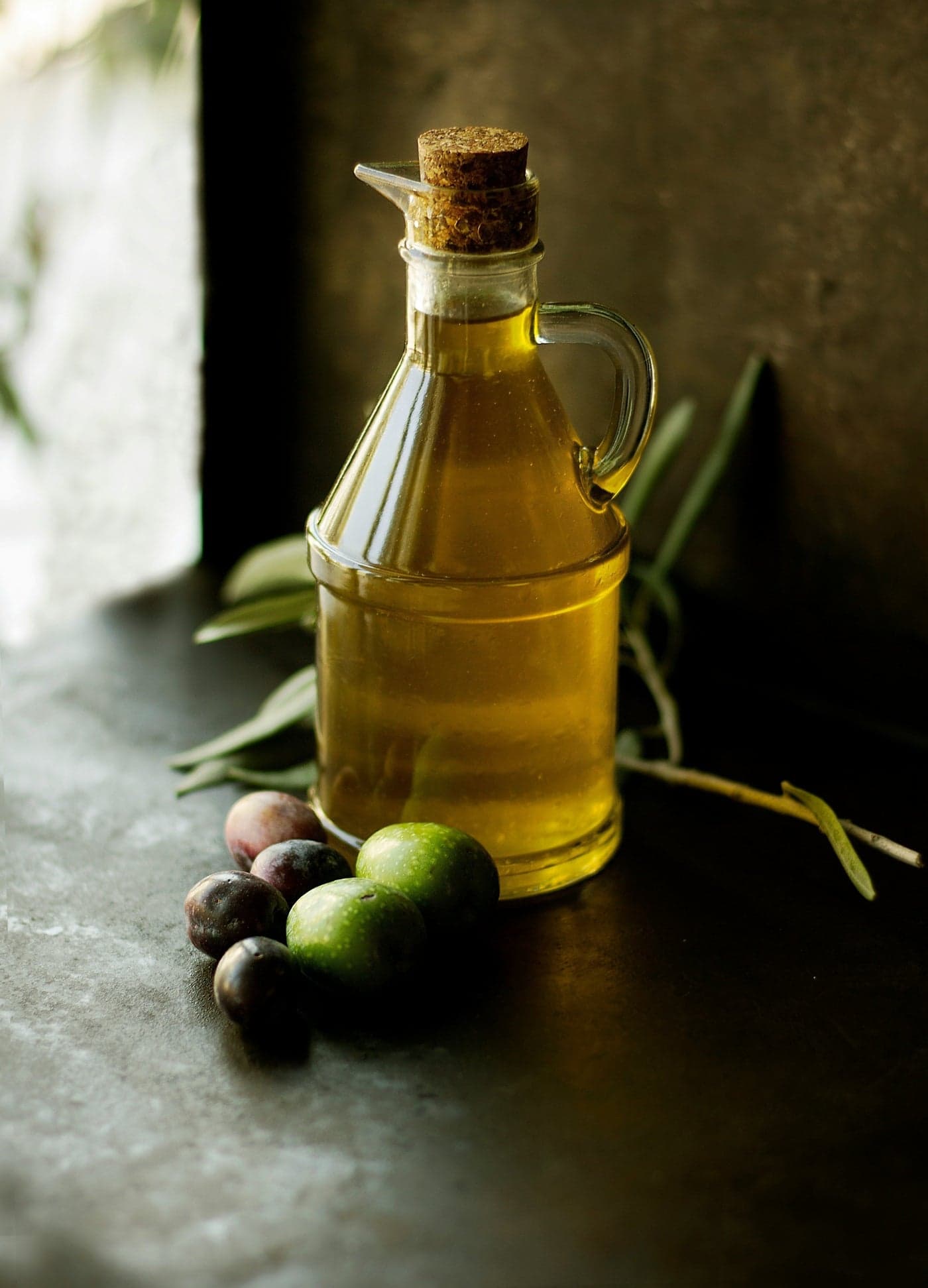
Many people think a bright green oil is a sign of quality. In fact the colour depends on the olive variety, how ripe the fruit was, and whether the oil was filtered. An excellent oil may be deep green or golden yellow. Professional tasters use dark glasses precisely so the colour cannot influence them.
4. Aroma and flavour make the difference
A true quality extra virgin olive oil should smell fresh, of cut grass, artichoke, tomato or almond, and taste balanced, with a light bitter and peppery note.
The catch in the throat is a positive sign: it indicates polyphenols, powerful natural antioxidants. If the oil is completely flat, without aroma, or with a rancid aftertaste, it is not a high-quality extra virgin.
5. The benefits for health
An extra virgin olive oil rich in polyphenols helps protect the heart, reduce inflammation, counter cellular ageing and support the Mediterranean diet. It is not only a condiment. It is a functional food.
6. How to store it properly
Even the best oil can be ruined if it is stored badly. Keep it away from direct light and sources of heat, and close it well after every use. A dark glass bottle or a tin protects the product better.
Why choose a craft extra virgin
A producer who works with selected olives and mills them within a few hours of the harvest guarantees real freshness, full traceability, an authentic aromatic profile and a higher polyphenol content. You can taste the difference from the first sip.
Conclusion
Recognising a true extra virgin olive oil is not difficult. It takes attention, awareness, and the choice of producers who are transparent. The next time you buy a bottle, do not look only at the price. Look at the story, the land and the quality it holds.